
CBEL Adding Two Neighborhoods | A Total of 7 Neighborhood Family Councils by End of 2026
Written by Tim Buckley, December 2025
There are about 20 elementary schools in the Salem-Keizer district that qualify for federal Title 1 funding, which indicates that larger percentages of those schools’ students come from homes at or near the poverty line. It’s well known, the connection between poverty and lower academic achievement. Title 1 funding helps to narrow that gap.
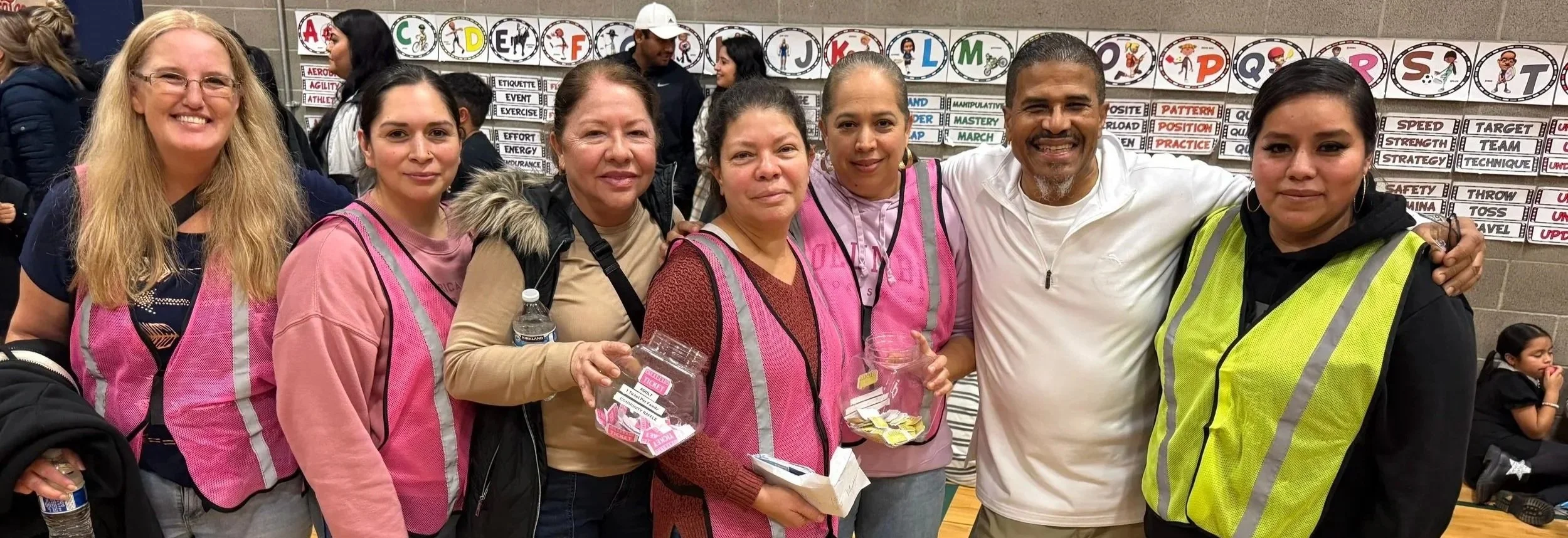
CBEL’s mission is to build community resilience, one neighborhood at a time, that strengthens families and supports world class education. That’s why all five Neighborhood Family Councils were chosen from neighborhoods surrounding Title 1 elementary schools. And likewise for the next two neighborhoods, which were named this month after a rigorous screening of factors besides financial stress.
“Word is out about CBEL’s partnership with neighborhood schools,” said Chris Barber, “how the partnership is helping improve student attendance, increase parent involvement and foster new community partnerships.”
Chris is the Director of Community Integration for the nonprofit Curandi, a partner helping CBEL collect and analyze data for its Results Based Accountability goals. Chris has decades of local experience helping healthcare and social service organizations be more effective, through alignment of services, shared processes, system improvement and shared data gathering software.
She continued: “Some of the factors that go into CBEL’s choice are”:
Title 1 classification
Kindergarten readiness data
Recent trend in 3rd grade reading scores
Absenteeism trends
Where the neighborhood sits relative to the Salem-area high crime map
Homelessness and housing insecurity data, and
Whether there are opportunities to improve housing security and grow home ownership.
“There are a few other things that can factor in the final decision,” Barber continued. “One is whether the school’s administration is eager, and has the bandwidth, to start a partnership with CBEL. Another is whether there is already an active parent group at the school. A third factor is whether local organizations – healthcare or public safety, for example - already have initiatives in the same neighborhood. It also helps if there’s an active neighborhood association,” she said.
Most of the Salem and Keizer Title 1 schools are in the NE sector of the metro area. It so happens that the hottest spots for violent crime is also in that part of the city. CBEL’s first five neighborhoods are in north Salem (Hallman/Northgate, Highland and Washington) followed by Keizer (Cummings and Kennedy).
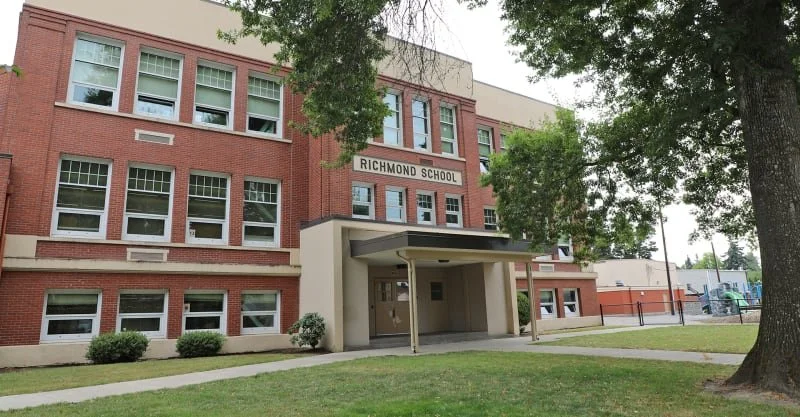
Out of eight Title 1 schools that were under consideration, the ones surrounding Yoshikai and Richmond elementary schools have been chosen for CBEL’s sixth and seventh neighborhood family councils, made up of moms and dads who live in the neighborhood. Once formed, the councils will determine their priorities and how CBEL’s support will best support their plans.
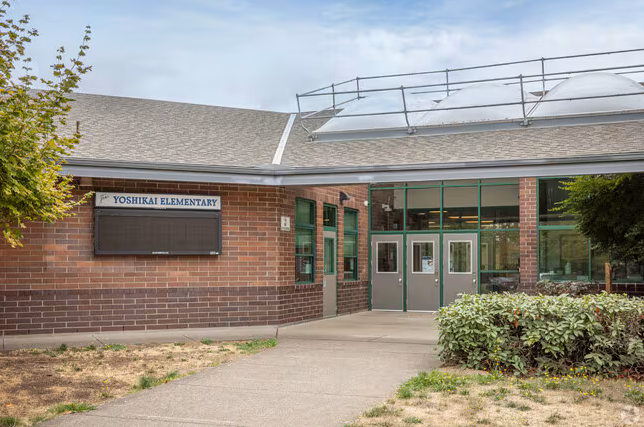
Yoshikai is also in northeast Salem. Richmond is four blocks south of State Street, the first school chosen outside that NE zone.
Barber, from her office at Curandi, coordinated the data collection on the neighborhoods with help from the school district, city police, as well as housing and healthcare agencies. The data reviewed included elementary school attendance, literacy, and reading rates, as well as numbers from the McKinney-Vento Program and local police crime data.
In terms of partners in these two neighborhoods, it’s notable that Salem’s Police Chief, who sits on CBEL’s board of directors, included his team in the considerations. They recommended Richmond neighborhood because of their Community Action Unit’s previous engagement with the Boys and Girls Club located at Richmond School. He also suggested that working in partnership with others on the Criminal Violence Reduction Initiative, there could be a multiplier effect in terms of success in reducing crime. Likewise, working with the Willamette Valley Homeless Initiative, Salem Housing Authority and local partners in tandem, the potential for making progress with both reducing homelessness and increasing home ownership is high.