
Data Fills Out the Story of Community Resilience
Written by Tim Buckley, July 2026
Data is fuel, like gasoline for the engine of social change. Miracles in technology and modern medicine arise only when data shows the dire consequences of inaction. Further data demonstrates the value of measures taken and lives saved.
CBEL uses data provided by local and state partners to select each new neighborhood. That data points to trends in public safety, health, economic viability and academic achievement. Each of CBEL’s Neighborhood Family Councils then collects additional survey information (anonymously) to focus more finely on the needs of families in the most adversely impacted neighborhoods in Salem and Keizer.
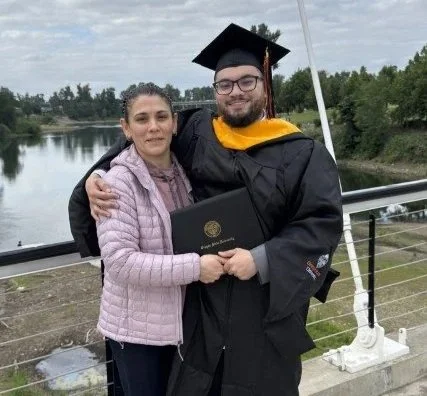
Brian Cervantes Alvarez had been attending neighborhood events for a couple of years, even while attending graduate school. The son of Highland Neighborhood Family Council member Olivia Alvarez, Brian mentioned he would like to volunteer more often and use his advanced education in data science and statistics to help CBEL learn more about family needs and measurements of improvements.
Brian, now 26, works full-time for the Oregon Department of Education as a Business Intelligence Analyst in the Fiscal Transparency Unit, where he builds dashboards and data systems that bring transparency to school district finances. He enthusiastically said “yes” when asked about his interest in leading a data-gathering effort in CBEL neighborhoods, one that would train and use young people (15 – 24) to conduct neighborhood surveys.
“There are many possible benefits we’ve considered,” Brian said. “High on the list is that Neighborhood Family Councils rely on high-quality data to help with their priority-setting. They spend their limited funds on making the biggest impact, so they pay close attention to what families say their most immediate needs are.”
By training young people living in those neighborhoods to conduct door-to-door surveys, data gatherers make important social connections and become more invested in the health of the neighborhood. And the cost of getting that information will be negligible, because it’s volunteer based.
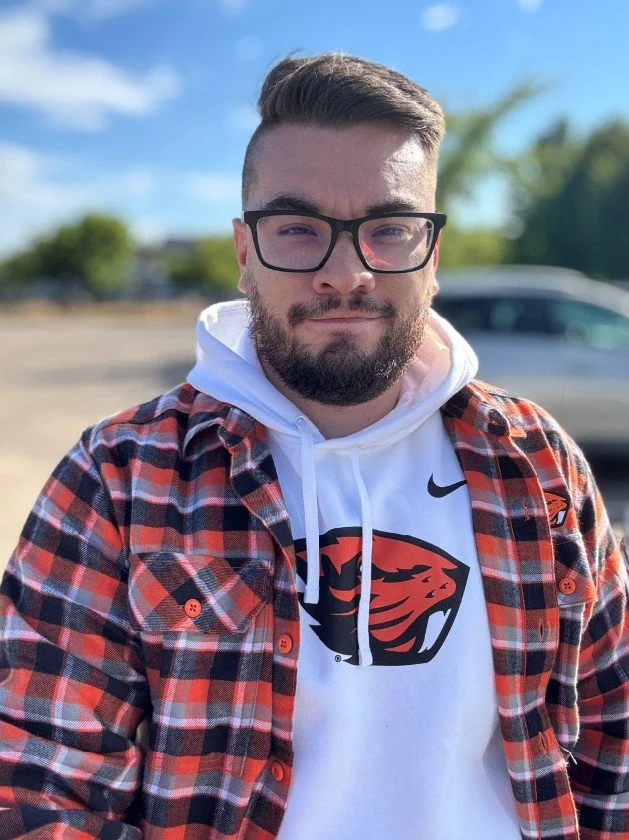
“Another benefit to the neighborhood, and specifically the people we train, is that these skills – data science, questionnaire development, interviewing, data analysis and data reporting – are all marketable,” Brian continued. “It’s a potential career path for these young people.”
The training will start this summer and by fall, up to eight people will begin an 80-hour hands-on training with Brian, before they venture into two of CBEL’s neighborhoods early in 2027.
Curandi Human Services Network is CBEL’s partner in data collection and analysis. They facilitate CBEL’s compliance with the rigors of Results Based Accountability, thus Curandi is an important conduit to other data streams that help us make sense of local trends. Company CEO Mike Rohwer and Director of Community Integration Chris Barber are advisors to the project. Curandi, which offers secure information-sharing platforms for social service providers in the Willamette Valley, will use the same strategy in protecting the privacy and integrity of CBEL’s neighborhood data project.
CBEL would love to have participation from individuals and organizations interested in this data collection project. If you would like more information about the program details and would like to help underwrite the cost of the program ($5,000 for a full year), please contact Ashley Russell, CBEL’s Assistant Director.
To read more about Brian and his mother, click here to read The Arc of Leadership – Part 7, which profiles Olivia Alvarez, and her remarkable efforts to get quality education for her children, with Brian’s success as a testimony to her love, support and determination.