
You Don’t It Don’t Come Easy: Good Parenting Takes Education and Support
Written by Tim Buckley, March 2026
Jim Seymour’s parenting didn’t prepare him for his grandson’s frequent, dramatic meltdowns in public. Elizabeth Heredia’s post-partum depression and a child with ADHD sent her and her husband reeling close to the edge.
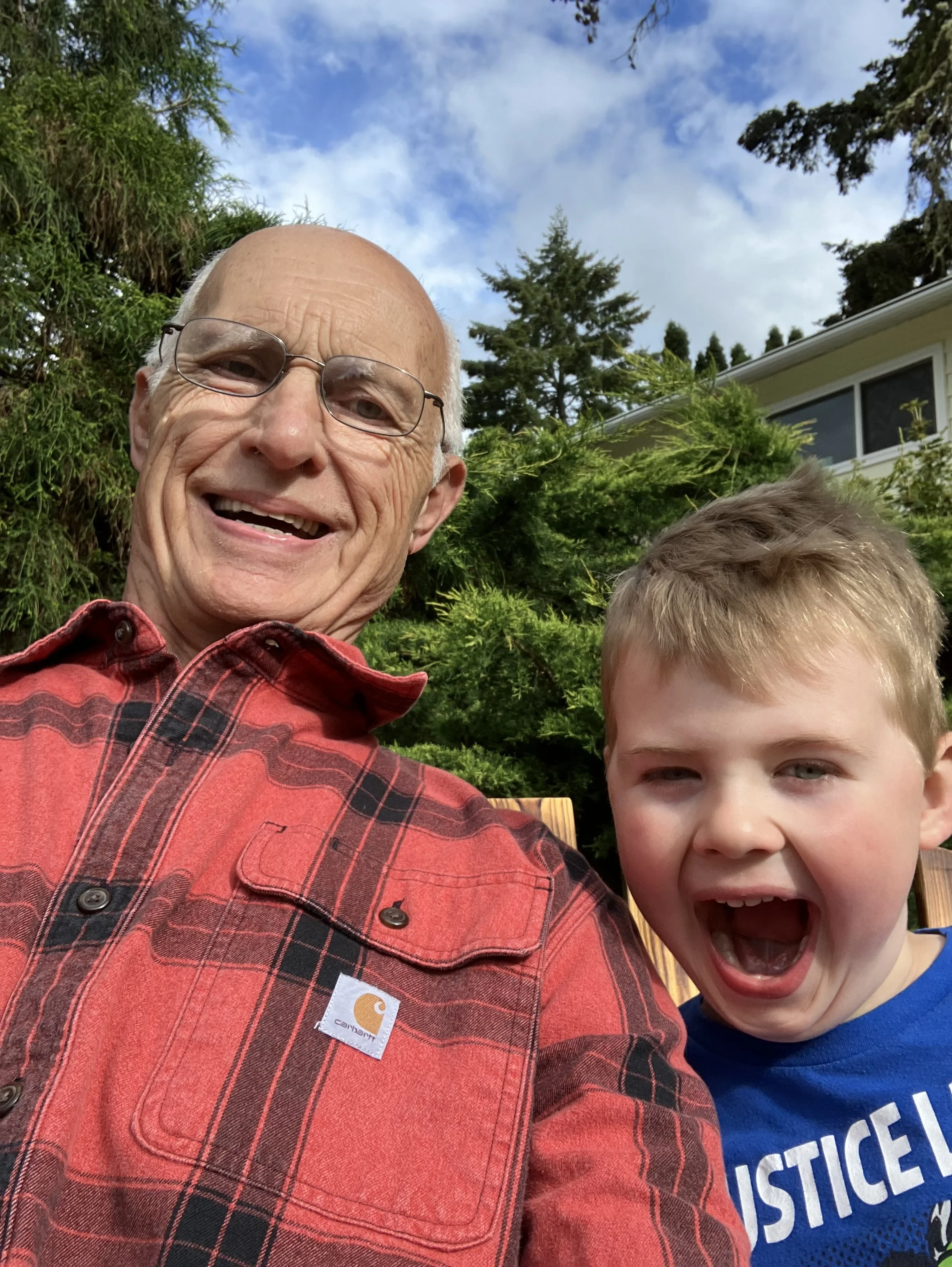
Jim and Elizabeth’s recollections were part of CBEL’s recent Collaborative Gathering, in which the large audience grappled with how parents learn to be better (and healthier) parents, and how community support is crucial.
Jim, CBEL’s founding director, reached out to long-time teacher and family systems specialist Rick Newton about his grandson, who had stymied both his grandpa’s and the wrestling coach’s ability to figure out how to help the emotionally distraught six-year-old. “Rick told me, ‘It’s not your grandson who needs to change; you and the coach need to change your approach.’”
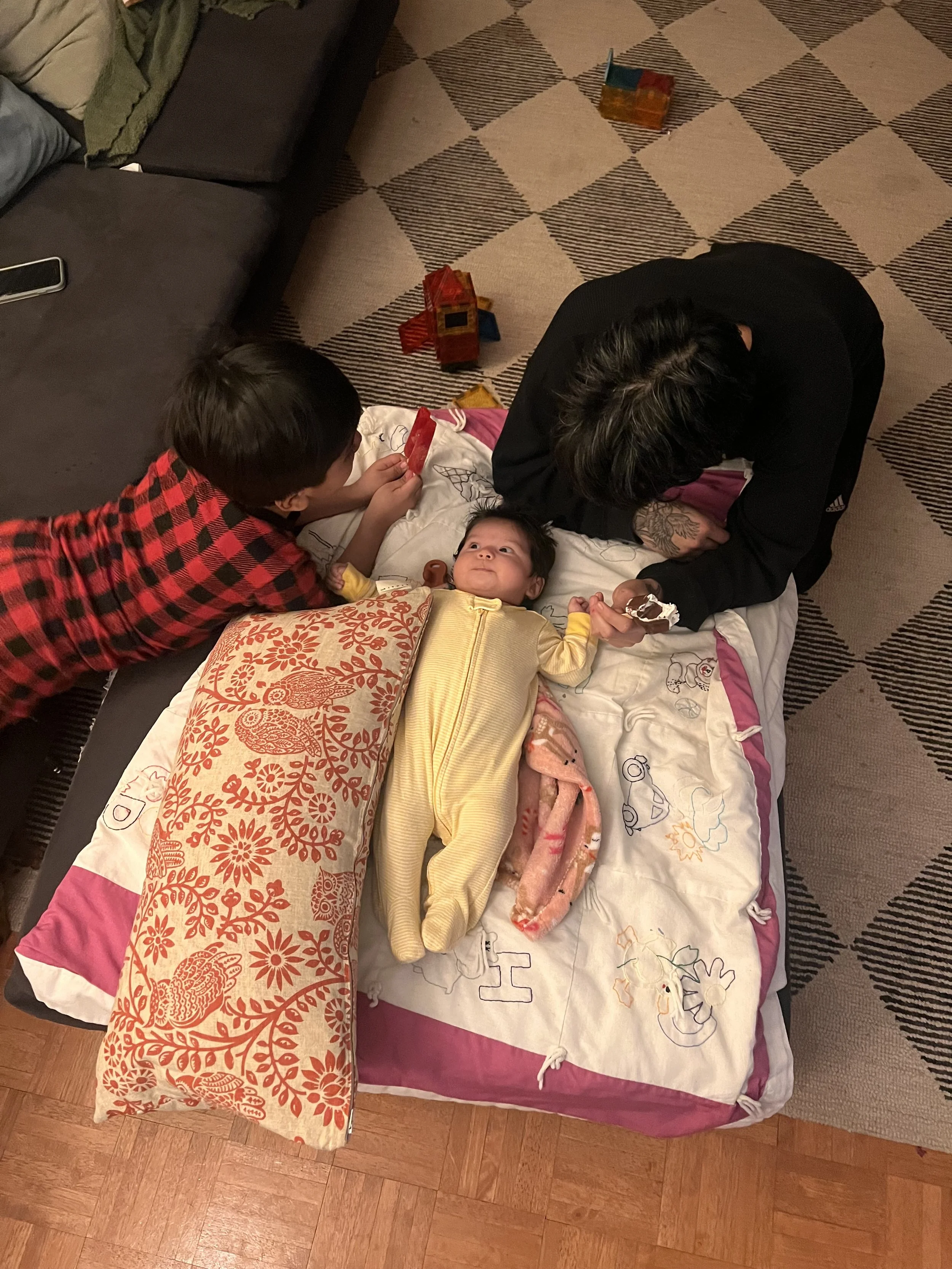
Elizabeth, Secretary of the Cummings Neighborhood Family Council, said, “Parent training and therapy opened our eyes. We didn’t know much about child development as new parents,” she added. “We learned to be proactive instead of reactive.”
Around diverse tables of people from all walks of life, two questions were asked:
What helps parents feel safe enough and supported to be their children’s first teacher?
What can neighborhoods, schools, and nonprofit organizations do to support parents?
In a nutshell, the consensus answer from the 70 people gathered is: “It takes a village.” Isolation robs individuals of self-worth and needed social connection. Isolation stunts education and emotional wellbeing.
And yet, we find ourselves more isolated than ever…well, perhaps not as much as during the pandemic. But the crazy, busy schedule parents have securing financial balance, when added to influence of social media and cell phones, is a recipe for childhood isolation and stunted social and emotional intelligence.
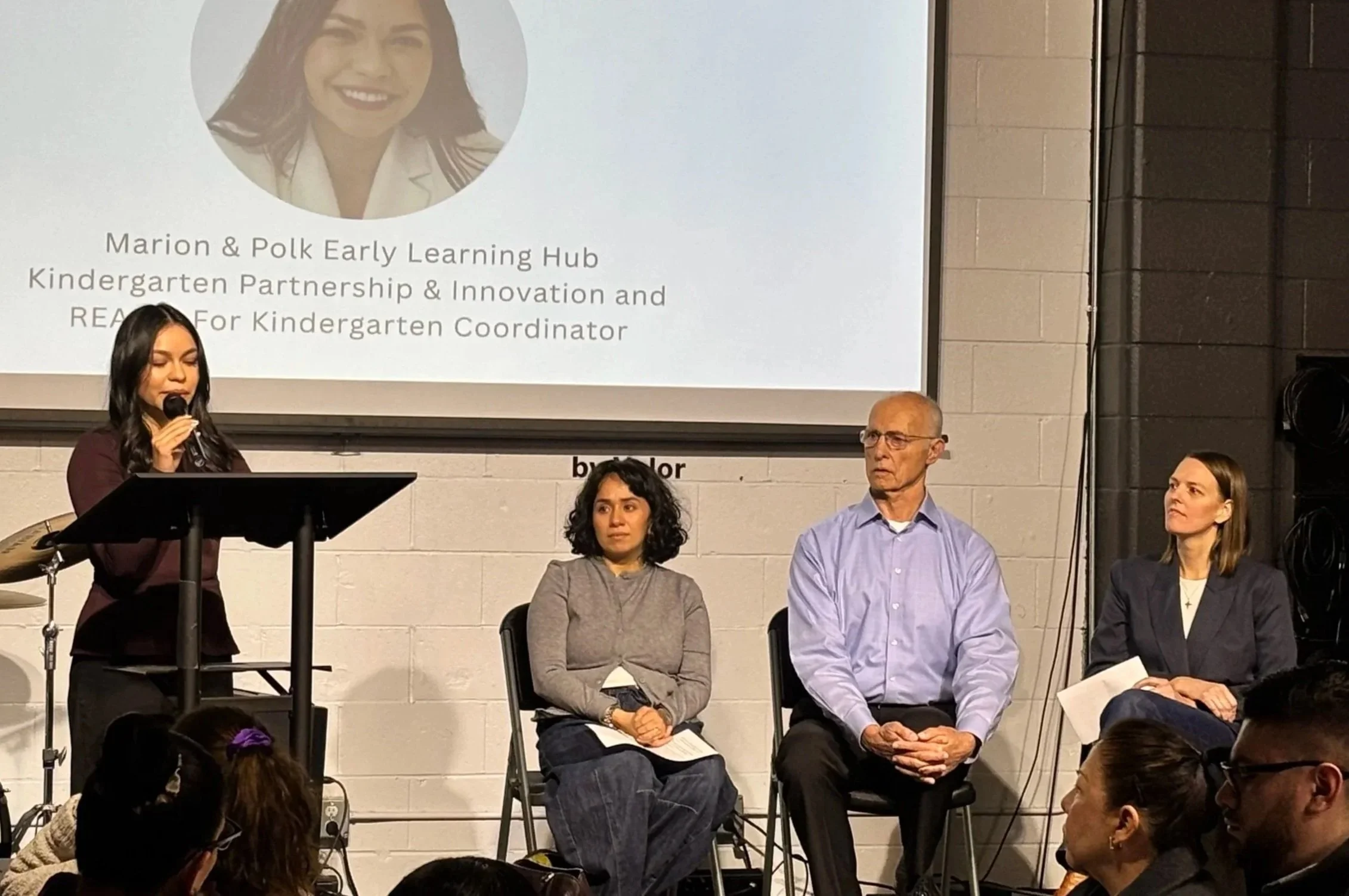
Leslye Garcia, a mom and program manager at the Early Learning Hub (Marion/Polk Counties) said that children learn better in community than in isolation. “When you strengthen parents, you strengthen literacy for the children,” she said. “We speak our world into existence,” Leslye added, “and literacy helps children build confidence necessary for social and emotional growth.”
Elizabeth Heredia said that community support “helps families with basics so they can see beyond the basics. The support my husband and I got allowed me to thrive as a mom, less anxious and overwhelmed. I could finally show up as who I am.”
Jim Seymour, after getting sage advice about how to help his grandson, Abe, asked the boy “What do you need?” It turns out, the boy needed emotional support in his effort to join a youth wrestling team. Jim recalled, “We made an agreement; Abe said that if he got scared or overwhelmed in future meets, he’d come off the wrestling mat and sit next to me for a while, until he felt calm and secure. It worked,” he continued. “He felt successful. And I felt successful.”
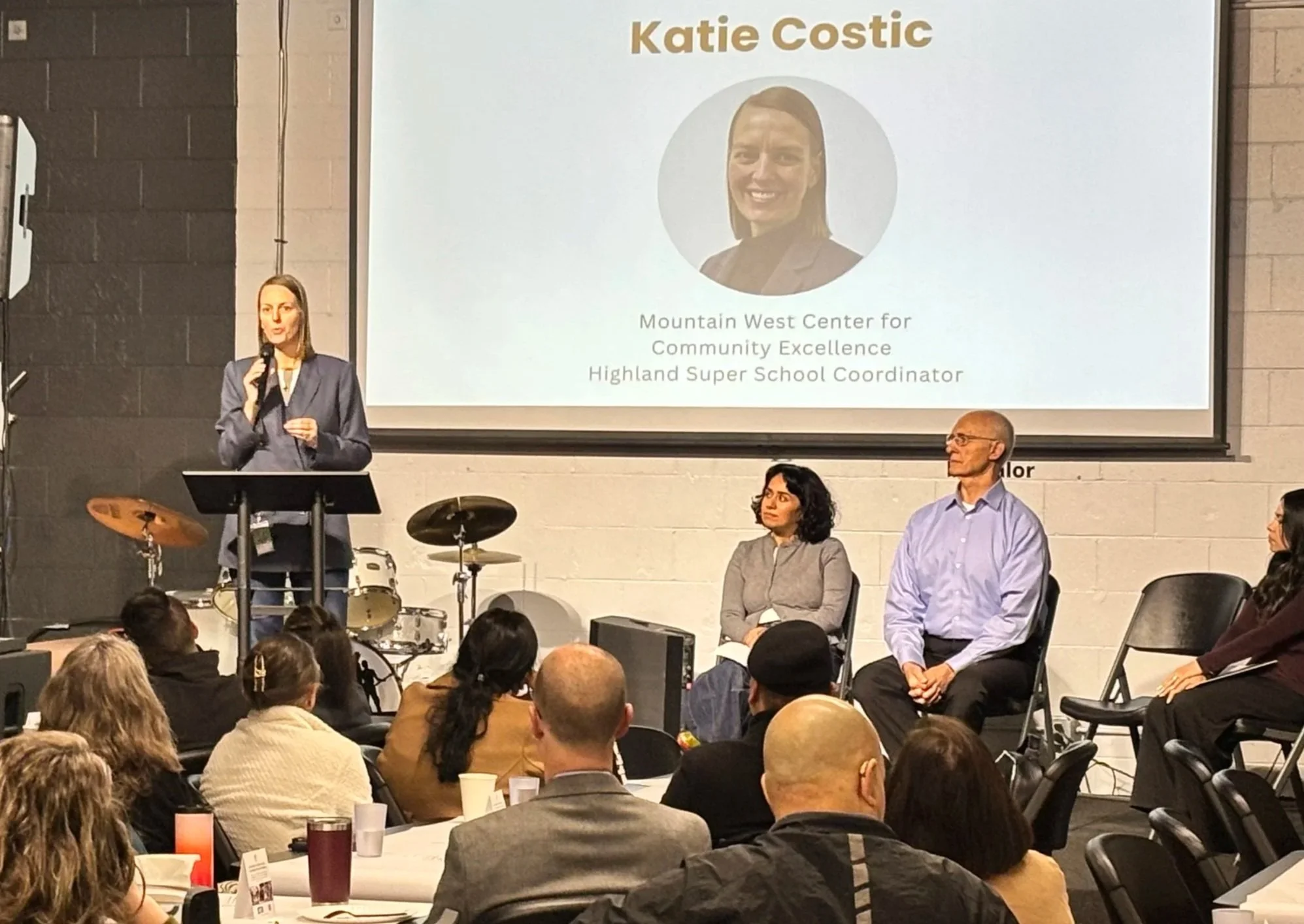
Katie Costic, a mom of four boys and former elementary school teacher, said “connection is crucial.” Hosting a space, like CBEL’s Infant Toddler Playgroups, gives parents and their kids room to feel alive, to have a meal together and play together. Trust builds ease, and ease brings connection. “We’re not there to fix them,” Katie continued, “we’re there to let them know how much they are valued, how important their time with the children is.”
Collaborative guest Erin Oliver, CEO of the Boys & Girls Clubs of Marion and Polk Counties, agreed that providing safe places for children and parents to gather and play is important. “To counter the ACEs (adverse childhood experiences) children are exposed to, the community must an equal number of positive ACEs, positive childhood experiences to become socially and emotionally healthier. That’s when the impossible becomes possible.”